
The Artisanal Craftsmanship Revival: Why Handmade is the New Luxury
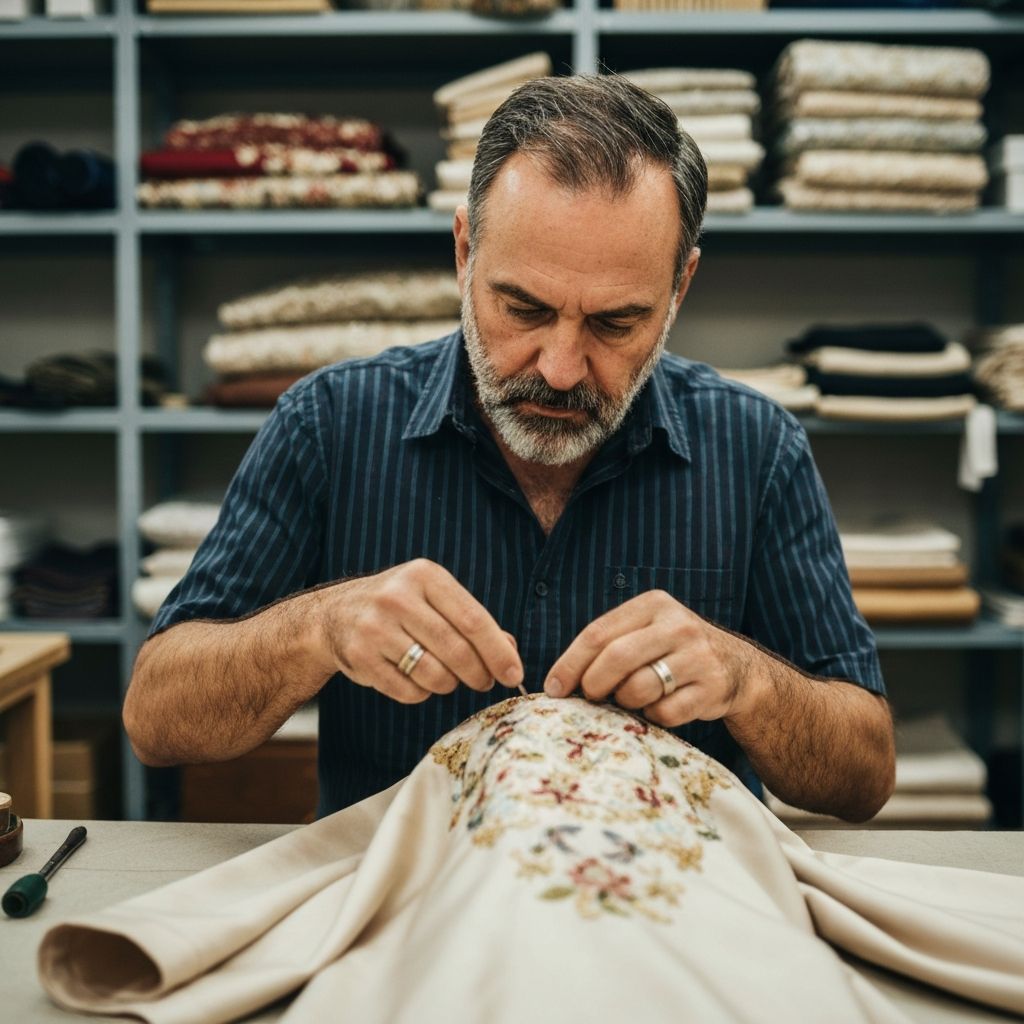
As artificial intelligence continues to reshape industries worldwide, fashion finds itself at a fascinating crossroads. The response from luxury houses has been unanimous: a renewed commitment to human craftsmanship that machines simply cannot replicate.
The Human Touch Premium
Chanel's Métiers d'Art collection this season was a love letter to the artisans who have preserved traditional techniques for generations. Hand-pleated silk, intricate embroidery that takes hundreds of hours to complete, and leather goods crafted by masters with decades of experience—these are the new markers of true luxury.
"In a world where anything can be replicated instantly, the things that cannot be—the imperfect perfection of human hands—become invaluable," notes creative director Virginie Viard.
Ancient Techniques, Modern Context
What's particularly exciting is how these traditional methods are being applied to contemporary designs. At Loewe, Jonathan Anderson has partnered with master weavers in Japan to create textiles that marry centuries-old techniques with avant-garde shapes.
The result is something genuinely new: pieces that carry the weight of tradition while speaking a thoroughly modern language. It's not nostalgia—it's evolution.
The Sustainability Connection
This craftsmanship revival isn't merely aesthetic; it's deeply connected to fashion's sustainability crisis. Handmade items, by their nature, are produced slowly and in limited quantities. They're built to last, often becoming more beautiful with age.
"Fast fashion trained consumers to expect new, cheap, and disposable," explains sustainability researcher Dr. Emma Richardson. "Artisanal fashion asks us to reconsider: what if we owned fewer, better things?"
Investing in Craft
For consumers, this trend presents both opportunity and challenge. Artisanal pieces command higher prices, but they also hold value differently. A hand-embroidered jacket isn't just a garment—it's a piece of cultural heritage, a wearable artifact.
The 2026 message is clear: true luxury isn't about logos or status symbols. It's about the irreplaceable value of human skill, time, and artistry.